
DC Culture · THE 202 JOURNAL
U Street, Shaw, and the style of a neighborhood
A short guide to the cultural history of U Street and Shaw, and a thoughtful way to explore DC style beyond a haircut.
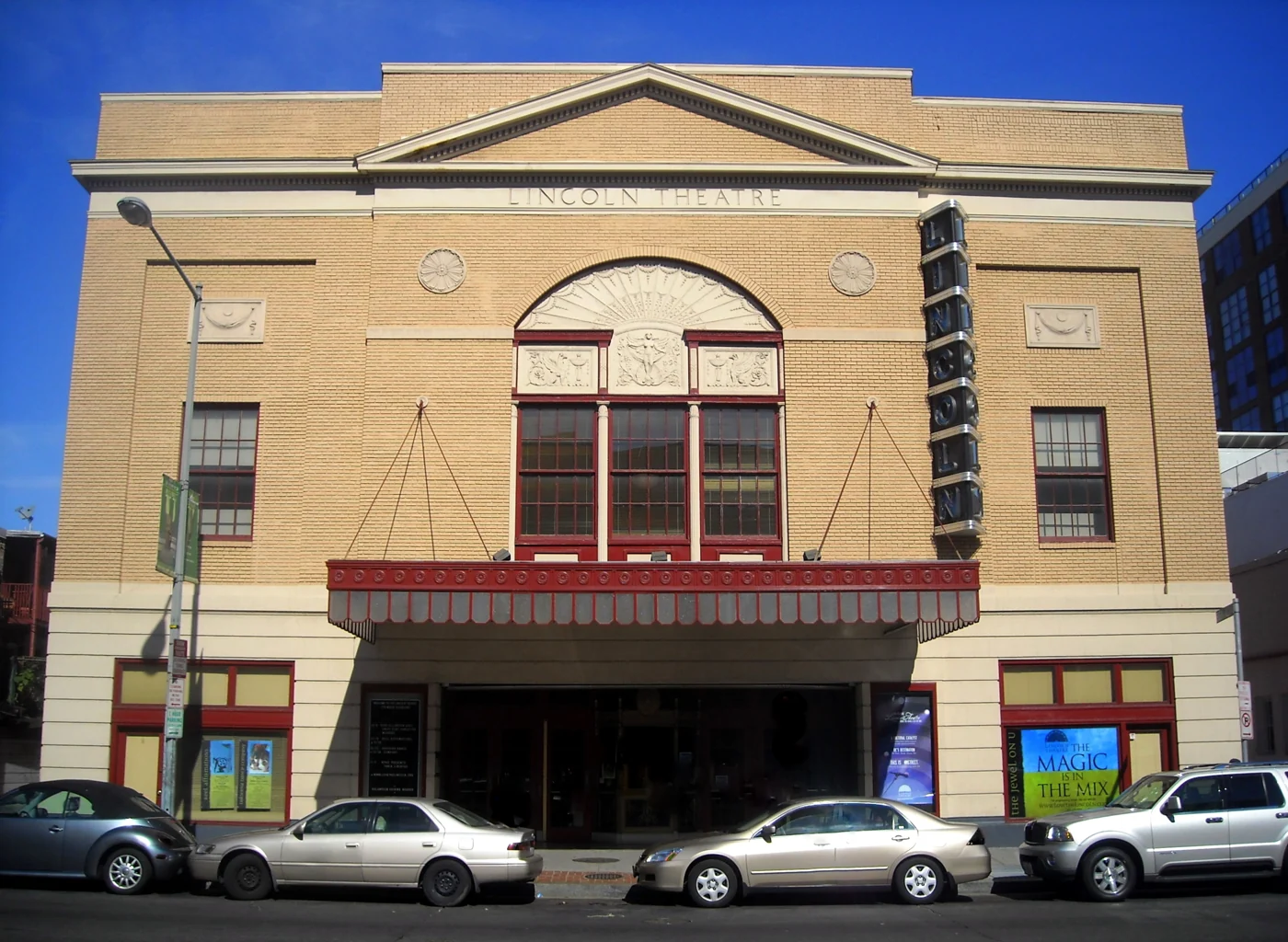
Read the neighborhood beyond the marquee
The Greater U Street Historic District’s National Register record describes a neighborhood that developed largely between 1862 and 1900. Its significance spans architecture, social history, entertainment, and Black heritage. The record connects homes and everyday businesses with landmarks including the Lincoln Theatre, Howard Theatre, True Reformer Building, and Whitelaw Hotel. Together they tell a story of a neighborhood where work, performance, enterprise, and community life occupied the same streets.
A place people continue to shape
Historic recognition is one way to understand the area. Looking at how people use it today is another. The DC Office of Planning’s 14th and U Street Public Life Assessment examines the everyday activity of residents, workers, and visitors, with attention to equity and access in public space. That focus is a reminder to notice people as well as buildings: a corridor has a daily rhythm, and the people who live and work there help give it character.
Make it a thoughtful walk
Choose two landmarks from the historic district record and read their histories before visiting. Notice the relationship between a storefront, the homes above it, and the block around it. Look at signs, brickwork, doorways, and the way a street changes from day to evening. Be respectful around homes and working businesses. A photograph is only part of a place’s story; a documented source can help explain what the frame leaves out.
Bring inspiration, keep your own style
Style can be a conversation with a city without copying a particular decade. If an old portrait or a current street look catches your eye, identify what appeals to you: the silhouette, the shape at the temple, the fullness on top, or the way a beard frames the face. Bring those observations to your consultation. Your barber can discuss a version suited to your hair and everyday routine.
Explore the original sources
Further reading from museums, archives and public institutions.
National Park Service: Greater U Street Historic District nomination ↗DC Office of Planning: 14th and U Street Public Life Study ↗